

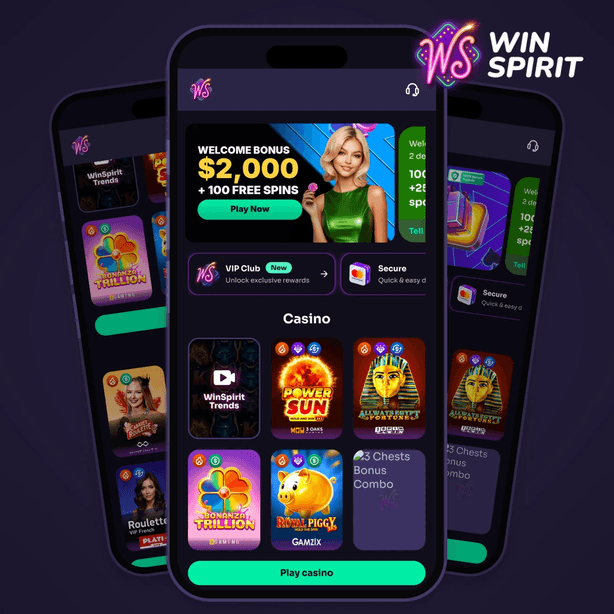
Mobile casino apps versus browser play
When we tested casino platforms on phones, the difference between an app and a browser was not as simple as we expected. Both routes can deliver slots, live tables, account tools, promotions, payments, and support. Still, the experience changes depending on whether we open a casino through Safari, Chrome, or a dedicated mobile app. Small details matter here, especially when a player is moving between Wi-Fi, mobile data, and those inconvenient moments with no connection at all.
We compared the two approaches during ordinary use rather than only looking at feature lists. We registered accounts, checked bonus pages, tried a few demo games where available, reviewed cashier screens, and used app-style shortcuts over several sessions. Our impression was that browser casinos are often more flexible, while apps can feel calmer and more focused. Neither option wins every round, which is probably the useful part of this guide.
What we noticed first on mobile
The first thing we noticed was speed, but not only loading speed. A mobile casino feels quick when the path from opening the site to finding a game is short. Browser versions have improved a lot in this area. Modern casino websites can remember a login, keep recently played slots near the top, and adapt their menus to a small screen surprisingly well. On a good connection, we sometimes forgot we were using a browser at all.
Apps usually offer a more contained environment. There is less temptation to drift into other tabs, search results, or unrelated notifications. That can make game browsing feel smoother. We also found app navigation more consistent at some casinos, particularly when filtering slot providers, jackpots, live dealer rooms, and tournament pages. On the other hand, the browser was better when we wanted to compare terms, open a payment policy in another tab, or check a promotion without losing our game lobby.
The practical issue of storage
A browser casino needs almost no permanent space beyond cached files. An app occupies storage, may request updates, and occasionally needs a fresh install after a major operating-system change. This is not dramatic, but it is a real decision for players with limited phone storage. We also noticed that a browser session is easier to leave behind. Closing a tab feels less permanent than deleting an app, although that depends on the player’s habits.
What the browser gives casino users
For many players, the browser is the simplest starting point. There is no app-store search, no separate download, and no concern that an app is unavailable in a particular region. A licensed online casino can be opened through a secure mobile browser, and the account experience is usually close to the desktop version. We liked that a browser gives a fairly complete view of a casino rather than narrowing everything into an app-shaped interface.
The browser also works well for research. Before depositing, we could move freely between the welcome bonus page, wagering rules, responsible gambling tools, banking limits, and game information. That sounds dry, perhaps, but it is where many casino decisions are actually made. Promotional banners look attractive in any format. The terms beneath them deserve a little more screen time.
- Fast access without installation, useful when testing a new casino or using a shared device responsibly.
- Easy tab switching for comparing bonus conditions, game rules, payout policies, and support articles.
- Automatic access to the newest website version, without waiting for a separate app update.
- Usually broader compatibility across devices, including phones where a native app is not offered.
There are drawbacks. Browsers can feel heavier when several tabs are open, and some casinos ask users to log in again after a period of inactivity. Push notifications may be less direct, depending on the device and browser permissions. During our test, a browser also felt slightly more vulnerable to distraction. One accidental swipe, one opened message, and the session had lost its rhythm. Not a serious problem, just a very mobile one.
Browser play is often best for flexibility
We would lean toward the browser for players who explore multiple casinos, read reviews carefully, or want to use payment methods that open external verification windows. It is also a sensible choice for occasional players. There is no need to dedicate screen space to an app that may only be used once or twice a month. The browser is less polished in some cases, but it is often more open.
What a casino app can do differently
A properly built casino app has an immediate advantage, it feels like it belongs on the phone. The buttons tend to be placed with thumb use in mind, game categories are often easier to browse, and identity checks may connect more smoothly with a camera or stored device permissions. We tested a few routine tasks, including checking a balance, finding a saved slot, and opening live casino tables. In app form, these steps generally took fewer taps.
Notifications are another major difference. An app can send a reminder about a free-spin campaign, a tournament deadline, a withdrawal update, or a safer gambling limit confirmation. That is useful when notifications are controlled carefully. It becomes less useful when every small promotion generates an alert. We would recommend turning on account and payment notifications first, then deciding whether game and bonus messages add genuine value.
- A more focused interface that can make game discovery and account navigation feel quicker.
- Direct notifications about withdrawals, verification, limits, promotions, and tournament activity.
- Potentially smoother biometric login through fingerprint or face recognition on supported devices.
- Better use of certain phone functions, including camera-based document upload and saved preferences.
Still, we found that not every casino app is genuinely native. Some are essentially web apps placed inside an app shell. This is not automatically bad, but it can mean the performance difference is minor. A player should not download an app just because it exists. It is worth checking whether it improves the experience, supports the needed payment methods, and receives regular updates.
A dedicated app can encourage routine
There is a slightly less obvious point here. An app makes a casino more present on the phone. For some users, that convenience is welcome. For others, it can make impulse play easier than intended. We do not see this as an argument against apps, but it is a reason to use deposit limits, time reminders, and reality checks. A good mobile experience should feel convenient without becoming too frictionless.
Offline features and realistic expectations
Offline functionality is often misunderstood in casino apps. Real-money gambling requires a live connection. A slot result, live dealer hand, deposit, withdrawal request, bonus activation, or balance update must be processed by the casino’s servers. No legitimate gambling app can safely continue real-money play while fully disconnected. If an app suggests otherwise, we would treat that as a warning sign rather than a convenient feature.
What apps can do offline is more limited, but still useful. They may keep parts of the interface available, display previously loaded game thumbnails, retain responsible gambling settings locally until reconnection, or allow a player to view cached help pages. Some casino apps and game studios also offer free demo-style content, though this varies widely and should not be confused with casino play using actual funds.
What we would expect from useful offline support
The best offline behavior is honest behavior. During a brief connection loss, the app should show that the session is paused, protect the account, and explain what happens next. We preferred platforms that clearly indicated a reconnecting state rather than leaving a spinning loading icon with no explanation. If a bet was placed just before the signal dropped, the casino should show the final result once the connection returns. Uncertainty is never pleasant around money, even small amounts.
- Cached game artwork, lobby pages, and selected account screens can remain visible without a signal.
- Responsible gambling preferences and support information may be accessible while reconnecting.
- A secure app should pause wagers and clearly confirm game outcomes after the connection is restored.
- Demo or informational content may work offline in some cases, but real-money games should not.
In practice, a weak mobile signal affects browser and app users alike. The app may recover the session a little more gracefully, while the browser may require a refresh. That was our general observation, not an absolute rule. Network quality, casino software, and the type of game all matter. Live dealer rooms are especially sensitive because there is no meaningful offline version of a live table.
Payments, privacy, and account safety
From a security perspective, both apps and browsers can be safe when the casino is licensed, the connection is encrypted, and the user follows basic account hygiene. We checked how smoothly each route handled deposits, withdrawal tracking, two-factor authentication, and identity verification. Apps often had the edge for biometric login. Browsers had the edge when we wanted to inspect pages closely, open policy links, or use a password manager across several sites.
Payment flow deserves a cautious approach regardless of format. We recommend checking minimum deposits, withdrawal limits, processing times, verification requirements, and possible bonus restrictions before using a new method. A bonus can be tied to wagering conditions, game contribution rules, or maximum bet limits. Those details are not exciting, admittedly, but they are more important than a polished animation on the cashier page.
We also suggest avoiding casino logins on public Wi-Fi unless a secure connection is in place. Keep the app and phone operating system updated, use a unique password, and enable two-factor authentication if the casino provides it. If the platform offers session history or a login alert, that is worth activating. A small amount of setup can prevent a frustrating account recovery later.
FAQ
Is a casino app safer than using a browser?
Not automatically. Safety depends mainly on the casino’s licensing, security practices, and the player’s device habits. An official app from a verified source can offer biometric login and direct notifications, while a secure browser session can be equally reliable. We would avoid unofficial download links in either case.
Can we play casino games without internet access?
Real-money casino games need an internet connection because wagers and outcomes are validated remotely. Some apps may display cached pages or limited demo content offline, but balances, deposits, withdrawals, and real bets cannot be processed safely without a connection.
Which option is better for claiming bonuses?
Either can work, although we found browser pages more comfortable for reading full bonus terms. Apps can make bonus activation quicker, particularly when offers appear in a dedicated promotions tab. The important step is the same in both cases, read the wagering and expiry conditions before opting in.
Reviews from our testing notes
Our shared view is that mobile browser casinos remain the practical all-round option. They are easy to access, good for comparing offers, and usually provide everything needed for registration, payments, slots, and live gaming. For players who do not want another installed program, the browser is more than adequate.
Casino apps are strongest when they offer a real improvement in navigation, biometric account access, useful notifications, and stable session recovery. We liked the cleaner flow of a good app, particularly for returning to favorite games. But we also felt that offline features should be viewed as support tools, not as a way to gamble without a network. Real-money play must stay connected, transparent, and controlled.
If we had to reduce the choice to one practical thought, it would be this: use the browser when flexibility and research matter most, and use an official app when you value a focused, regularly used casino environment. In both cases, licensed operators, clear payment rules, and responsible limits matter far more than the icon on the home screen.